|
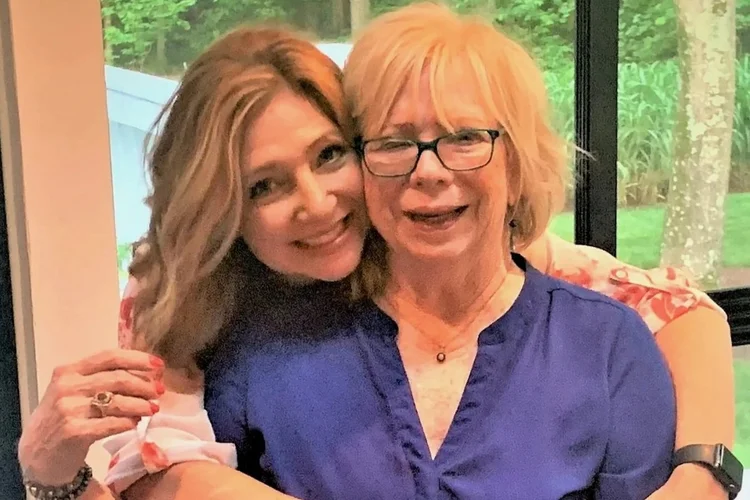
Tomorrow will be four years since the day my mom passed. And even though we knew it was coming, nothing could have fully prepared me for what it felt like when she was gone. Mom had frontotemporal dementia (FTD) and needed 24/7 care during her last couple of years. In those final months, I tried to soak up every moment with her… knowing I’d soon need to depend only on my memories. And so, here we are. In the days, weeks, and months following her death, I don’t have many memories at all - it’s all a bit of a blur. Pain has a way of doing that. What I do remember is feeling so loved and held up by the people around me. My husband, KC, was my rock. Looking back, I think he literally kept the world turning for me while I just hung on. My kids offered the sweetest hugs whenever I (or they) needed one. My sister, deep in her own grief, would check in constantly, and my friends dropped off meals and sent messages that reminded me I wasn’t alone. Grief can feel so isolating, but it’s often the love around us that gets us through. Because grief doesn’t just belong to the person who loses someone. It touches everyone in our circle: spouses, kids, siblings, friends. It doesn’t look the same for any two people, but none of us are alone in it. If you’re reading this, there’s a good chance you’ve felt it too. Maybe you’ve lost a parent recently. Maybe you’ve stood beside a friend as they said goodbye. Maybe you’ve said goodbye to a friend. Or maybe your heart still aches and longs for someone who’s been gone for years. However it shows up, grief finds its way into all of our lives eventually. It’s universal. It’s part of being human. I invited grief coach Ellyn Villar, to join me on the podcast this week and she made this statement: “Grief is really just love with nowhere to go.” That phrase has stayed with me because it captures something so true - grief is pain that reminds us of how deeply we loved. It’s the kind of love that hurts. Over time, the work of grief becomes finding new ways for that love to live on - through memories, stories, rituals, or the way we love others differently because of who we lost. There is no right or wrong way to grieve. We all navigate it differently. But there are ways to make the process a little lighter - for ourselves and each other. If you’re the one grieving… Allow others to love on you. You don’t have to carry it alone. Let people show up for you, even when you don’t know what to ask for. Honor your own pace. There is no “timeline” for when you should feel better. Create rituals. Light a candle, visit a favorite place, write a letter - ways to give your love a new way to carry on.
If someone you love is grieving… Be steady. They may swing between numbness, anger, tears, or laughter. Offer consistency. You can’t fix this for them. Show up, even imperfectly. You don’t need perfect words - your presence is enough. Pick up the slack. Handle meals, kids’ activities, or errands. Small acts of service can be a lifeline for someone who is hurting.
If you’re helping your kids through grief… Include them in remembering. Let them help plan a small way to honor your loved one - like lighting a candle, choosing a photo to display, or sharing a favorite memory. Check in often. Kids grieve in spurts, and it may come out sideways in behavior. Keep the door open for conversation. Model healthy grief. Let them see you cry, and let them see you laugh too. It gives them permission to feel it all.
On the Podcast This WeekIn this week’s episode of Relating with Jen Funk, I sit down with grief coach Ellyn Villar to talk about how we can love and support each other through loss, why everyone grieves differently (and how to respect that), how to get through tough milestones like anniversaries and birthdays, and how to learn to carry our grief with more love than pain. You can listen or watch using the links below.
|